Thursday, July 30, 2020

Reach truck safety rules | फोर्कलिफ्ट ट्रक सेफ्टी नियम

Safe movement of vehicle in the workplace / Reach truck safety rules

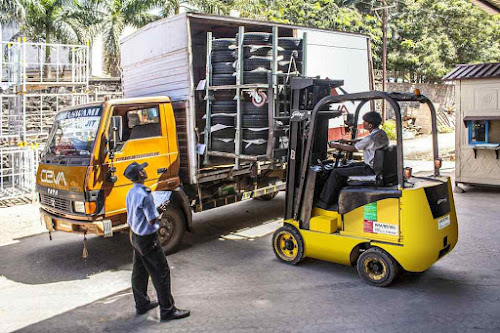
Vehicles are very important in the company they are used to transfer materials to other locations. Different vehicles are used in the workplace such as Reach trucks, mobile cranes, dump trucks, and more.

Reach truck safety rules

Material handling equipment

Risk of injuries to workers could happen due to the:

  • loss of control due to mechanical failure and the environment condition
  • overturning and overloading of vehicles
  • collision with other vehicles and pedestrians
  • reversing of vehicles inside the workplace

  • improper layout of access and egress of the work site
  • emergency incidents such as fire that causes collision

Hazards from workplace reach truck / forklift 

  • not separating the vehicles and pedestrian routes
  • lack of barriers on roads
  • lack of warning and directional signs
  • not enforced speed limits
  • poor road surface
  • narrow and no marking roadways
  • insufficient pedestrian crossing points
  • poor environment such as noise, dust, and insufficient lighting
  • poor maintenance and no pre-use-checks
  • lack of training to drivers

Issue that causes the Reach truck overturns

  • driving over holes 
  • driving too fast while cornering
  • overloading of vehicles
  • driving with load too high
  • driving across a slope road
  • using Reach truck with uneven tire or pressure
  • using hard brakes and collision

Specific hazards of battery powered Reach trucks / forklift

  • Hazards- Hydrogen gas; Electrical short circuit; Battery acids; Manual handling
  • Precautions- Ensure good ventilation; No source of ignition/smoking; Use suitable ppe; Use of lifting equipment
Reach truck safety rules

Safety rules in parking Reach truck / Reach truck safety rules

  • park on a level ground not obstructing the traffic, pedestrian, and emergency exits
  • apply hand brakes and rest the fork on the ground and tilt the mast forward
  • off the engine and remove the key
  • return the key to the responsible person

Reach truck / forklift truck Safety precaution that should be taken when leaving a Reach truck unattended

Design parking area; Apply brakes; Controls in neutral; Engine switched off; Key removed and returned to responsible person; Forks resting on floor; Mast tilted slightly forward; Not obstructing walkways; Fire exits/fire point

Suitable control measures to reduce the risk of collision with workers / Reach truck safety rules

  • Develop site rules and enforce
  • Segregate by defining pedestrian routes and vehicle routes
  • Separate doors and walkways for pedestrian and vehicles
  • Speed limits; Traffic calming measures
  • Monitor speed limit; Provide mirror; Lighting; Audible reversible warning
  • High visibility jackets; Good standard of housekeeping 


Hindi translation

कार्यस्थल पर फोर्कलिफ्ट ट्रक सुरक्षा नियम / Reach truck safety rules

वाहन कंपनी में बहुत महत्वपूर्ण होता है इसका काम सामग्री / सामान को एक स्थान से दुसरे स्थान पर ले जाने के काम में लाया जाता है कार्यस्थल पर विभिन्न वाहनों का इस्तेमाल किया जाता है जैसे मोबाइल क्रेन, फोर्कलिफ्ट ट्रक, डंप ट्रक, और बहुत सारे वाहनों का उपयोग किया जाता है पर यहाँ हम फोर्क लिफ्ट ट्रक का जिक्र करने जा रहे हैं 

वाहन की आवाजाही में कार्यस्थल पर मजदूरों को कौन-कौन से खतरे हो सकते हैं उसपे रौशनी डालेंगे ||

  • वाहन पर से नियंत्रण खोना जैसे तकनीकी ख़राबी या मौसम के कारन |
  • वाहन की ओवरलोडिंग / मानक मापधंड को अनदेखा करके ज्यादा भार डालना |
  • अन्य वाहनों से या पैदल जा रहे यात्रियों के साथ टकराव |
  • कार्यस्थल पर गाडी पीछे करने में टकराव |
  • कार्यस्थल पर आने जाने का रास्ता ठीक से डिजाईन न किया होना |
  • आग लगने जैसी आपातकाल घटनाएं जो टकराव का कारण बन सकती है | 

कार्यस्थल पर गाडी चालाते समय खतरे

  • चल रहे वाहनों का रोड और लोगों के आने जाने का रास्ता अलग न करना |
  • सड़कों पर बाधाएँ जैसे बैरियर, या कुछ और सामग्री | 
  • चेतावनी और दिशामर्ग संकेत में कमी / signs boards
  • लागु की गई गति सीमा का कोई चेतावनी संकेत नहीं |
  • खराब सड़क भी एक खतरा शामिल है |
  • आगे का रास्ता नैरो या सिंगल है उसका कोई चिंहित संकेत नहीं |
  • पैदल चल रहे यात्रिओ के लिए अप्रयाप्त क्रासिंग पॉइंट |
  • खराब वातावरण जैसे धूल, अपर्याप्त प्रकाश और शोर शामिल है |
  • खराब रखरखाव और उपयोग करने से पहले चेक न करना |
  • ड्राइवरों को प्रशिक्षण की कमी / कोई ट्रेनिंग या तजुर्बा नहीं |

फोर्कलिफ्ट ट्रक पलटने के कारन 

  • फोर्कलिफ्ट ट्रक को टर्न / मोड़ते समय गति का तेज़ होना |
  • फोर्कलिफ्ट का किसी होल या शेद पर चले जाना |
  • ओवरलोडिंग भी एक बड़ा कारन है पलटने का | 
  • बहुत अधिक भार के साथ ड्राइविंग करना |
  • ढलान वाली जगह पर ड्राइविंग करना |
  • असामन्य टायर या हवा का बराबर न होने के बावजूद ड्राइविंग करना |
  • सकत / हार्ड ब्रेक होने के कारन ब्रेक न लगना |
बैटरी से चलने वाली फोर्कलिफ्ट ट्रक में विशेष खतरे 

  • खतरा: हाइड्रोजन गैस;  विद्युत् शोर्ट सर्किट; बैटरी एसिड; मैन्युअल हैंडलिंग 

  • सावधानियाँ : अच्छा हवादार वेंटिलेशन सुनश्चित;आग या धुम्रपान का कोई स्त्रोत नहीं होना चाहिए; उपयुक्त PPE का उपयोग करें; उठाने के लिए अच्छी तकनीकी का उपयोग करें ||

फोर्कलिफ्ट ट्रक को पार्क करने के लिए सुरक्षा नियम / Parking rules for Reach truck

  • पैदल यात्री, यातायात और आपातकालीन निकास / रास्ता बाधित नहीं होना चाहिए |
  • हैण्ड ब्रेक का इस्तेमाल करें, फोर्क / कांटे को ज़मीन पर करें और मस्तूल को आगे जुकाएं |
  • इंजन को बंद करें और कुंजी को निकाल लें |
  • जिम्मेदार व्यक्ति को चाबी जमा करें ||  

To be continue


Wednesday, July 8, 2020

Aluminum scaffold safety | अलिमिनुम मचान सेफ्टी

Mobile tower scaffold / Aluminum scaffold

Design for light work such as maintenance task inside or outside buildings. Safety precautions in using mobile tower scaffold:

aluminum-scaffold-safety

Aluminum scaffold safety
  • selection erection and dismantling must be done by a competent worker 
  • stabilizers and bracing must always use
  • All wheels must be locked
  • No workers above the mobile scaffold during moving
  • Must be tied up if used during windy work
  • safe distance must be considered if working near electrical power lines
  • work must not over reach
  • adequate barricading of working areas
  • inspection before and after using the tower 

Safety precaution in using mobile tower scaffold / Aluminum scaffold safety

  • scaffold must be erected by a competent worker
  • ample guardrails and toe boards
  • erected in a solid, firm ground
  • must have safe access & egress
  • platforms must fully boarded
  • erected away in a traffic route
  • properly braced and tied up to the structure
  • no overloading
  • barricade the area
  • regular inspection and provide scaffold tags

aluminum-scaffold-safety
Scaffold tag


(Hindi translation)

एलुमिनियम मचान सेफ्टी / aluminum scaffold safety

मोबाइल टावर मचान को हलके काम के लिए डिज़ाइन किया गया है जैसे जैसे रखरखाव का कार्य इमारतो के अंदर या बाहर |
मोबाइल टावर मचान का इस्तेमाल करने लिए सावधानिया बरतें
aluminum-scaffold-safety


  • मचान को बनाना या तोडना किसी प्रशिक्षित आदमी दवारा ही किया जाना चाहिए
  • स्टैबिलिज़ेर्स और ब्रेसिंग का हमेशा इस्तेमाल किया जाना चाहिए 
  • सभी पहिये लॉक/बंद होने चाहिए 
  • चलते समय मचान के ऊपर कोई भी कार्यकर्ता नहीं होना चाहिए
  • हवा में मोबाइल टावर मचान का इस्तेमाल कर रहे  हैं तो टाइट करके बांधना चाहिए 
  • यदि पावर लाइन के पास काम करना हो तो सुरक्षित दुरी का भी धयान रखना चाहिए 
  • ओवर रीचिंग यानि मचान के बहार लटक के काम नहीं करना चाहिए 
  • कार्य क्षेत्र की प्रयाप्त बैरिकेडिंग करनी चाहिए
  • टावर का उपयोग करने से पहले और बाद में निरिक्षीण करना चाहिए   

एलुमिनियम मचान का इस्तेमाल करने में सुरक्षा सावधानिया /aluminum scaffold safety

  • एलुमिनियम मोबाइल मचान सक्षम व्यक्ति द्वारा बनाया जाना चाहिए 
  • मचान में पर्याप्त रेलिंग और पैर के लिए टो बोर्ड लगाना चाहिए 
  • मचान एक ठोस जगह पर खड़ा या बनाना चाहिए 
  • आने जाने का सुरक्षित रास्ता होना चाहिए 
  • प्लेटफार्म/मचान में पूरी तरह से फट्टा लगाना चाहिए
  • गाड़ियों की यातायात से दूर मचान को बनाना चाहिए
  • मचान के साथ ठीक से ब्रेसिंग टाइट करनी चाहिए
  • मचान के ऊपर ज़्यादा भार नहीं डालना चाहिए 
  • क्षेत्र की ठीक से घेराबंदी करनी चाहिए 
  • नियमित निरिक्षण और स्कैफफोल्ड टैग प्रदान करे, जैसे के उपर प्रकशित किया गया है |    


सीड़ी के लिए अधिक जानकारी: सीड़ी का सुरक्षित इस्तेमाल


Labels:

Ladder safety precautions | सीढ़ी का सुरक्षित इस्तेमाल

Ladder Safety precautions before use

सीढ़ी का सुरक्षित इस्तेमाल

  • Ladder suitable for the work
  • Check the area where the ladder may be used
  • Ensure stability of ladder by using 1:4 inclination ratio from the wall 
  • Ladder are tied-up at the wall
  • Weather condition must be suitable if ladders used
  • Proximity of live electricity must be considered
  • At least 3 feet of ladder above the stepping off point
  • No over reaching in using ladders
  • Workers must be trained in using ladders
  • Ladders must be inspected before and after used
  • Ladder must be stored in dry places
  • Only one person must climb on the ladder at any one time
  • No carrying of items while climbing and maintain 3-point contact
  • Ladders left secured must be barricaded to prevent unauthorized access

Safety precautions of using step ladder

  • The need to ensure that the ladder is inspected for defects before use
  • That it is correctly erected on level ground with its chain or rope fully extended
  • That it is suitable for the task to be performed and does not involve carrying out work from the top step
  • That is footed by a second person when necessary
  • That it is correctly positioned to avoid overreaching 
  • It is not overloaded
know about: Work at height hazards and control

Hazards in using ladders

  • ladder not properly secured
  • incorrect angle of inclination
  • falling off
  • over-reaching of work activity
  • using unsuitable and defective ladders
  • not reaching above landings
  • using aluminum ladders near live electrical lines


(Hindi translation)

सीढ़ी का सुरक्षित इस्तेमाल

सीड़ी का सुरक्षित इस्तेमाल के लिए बातें 
  • कार्य के लिए उपयुक्त होनी चाहिए 
  • उस क्षेत्र की जांच करे यहाँ सीढ़ी का उपयोग करना है 
  • दीवार से 1:4 झुकाव अनुपात का उपयोग करके सीढ़ी की स्थिरता को सुनिश्चित करें
  • सीढ़ी को दीवार से बांधा जाता है 
  • मौसम की स्थिति को देख कर ही सीढ़ी का इस्तेमाल करें 
  • लाइव बिजली की निकटता पर विचार किया जाना चाहिए / लाइव बिजली की तार पास नहीं होनी चाहिए 
  • स्टेपिंग पॉइंट से कक से काम तीन फ़ीट ऊपर होनी चाहिए / मतलब शत से तीन फ़ीट ऊपर होनी चाहिए 
  • सीढ़ी पर चढ़ कर जहाँ तक पहुँच सकते है वहीँ तक काम करें ज़्यादा दूर तक पहुँचने की कोशिश न करे 
  • श्रर्मिको को सीढ़ी का इस्तेमाल करने से पहले प्रशिक्षित किया जाना चाहिए 
  • सीढ़ी का उपयोग करने से पहले और बाद में सीडी का निरिक्षीण किया जाना चाहिए 
  • सीढ़ी को हमेशा सूखे स्थान पर रखें 
  • काम के समय केवल एक ही व्यक्ति को सीडी के ऊपर चढ़ना चाहिए 
  • सीढ़ी चढ़ते समय सामान नहीं लेके जाना चाहिए और सीडी के साथ तीन पॉइंट संपर्क होना चाहिए 
  • सीढ़ी पर चढ़ने से पहले अपने आसपास एरिया बंद/कवर करे ताकि कोई वहां तक पहुँच न सके ||

(Hindi translation)

सीढ़ी का उपयोग करने की सुरक्षा सावधानी 


ladder-safety-tips

  • उपयोग से पहले निरक्षण करें कहीं कोई डैमेज तो नहीं 
  • यह सुनश्चित करे नीचे स्थल समतल होना चाहिए और सीढ़ी को चैन या रस्सी से अच्छी तरह से बांध ले 
  • सीढ़ी काम करने के लिए उपयुक्त होनी चाहिए और ऊपर के शीर्ष चरण पर काम करना शामिल नहीं है 
  • नीचे दूसरे व्यक्ति की पैर से हाथों से सपोर्ट चाहिए, ज़रूरत के अनुसार  
  • अति पहुँच से बचें / पहुँच से दूर न लटकें 
  • सीढ़ी के ऊपर अधिक भार न डालें ||

सीढ़ी इस्तेमाल करने में खतरे 

  • सीढ़ी का ठीक से सुरक्षित न होना 
  • झुकाव का गलत एंगल/कोण
  • गिरना 
  • अनुपयोगी या गलत/खराब सीढ़ी का प्रयोग करना
  • सीढ़ी के पाँव ज़मीन को न शुना 
  • लाइव विद्युत् तार के पास एलुमिनियम सीढ़ी का उपयोग करना  

Labels:

Tuesday, July 7, 2020

working at height Hazards and control | ऊंचाई पर काम के जोखिम और नियंत्रण

What is Work at height?

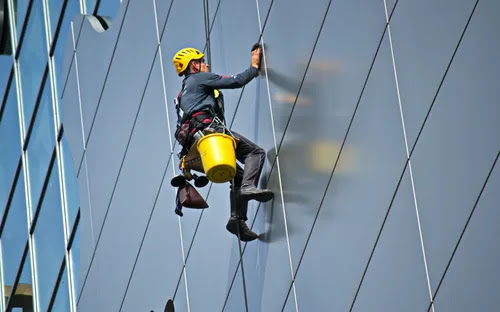
Working at heights is a common requirement for many jobs and occupation especially in the construction industry which remains one of the biggest cause of fatalities and major injuries. 


working-at-height-hazards-and-control

working at height hazards included:

  • high vertical distance work
  • fragile or weak roof material
  • weather condition  during work
  • voids present on roofs
  • using unstable equipments
  • unprotected edge
  • sloping roofs
  • untrained workers
  • poorly maintained access equipments
Conditions in which contribute to the likelihood of the falling materials:
  • weakening of structure
  • bad storage of materials
  • poor housekeeping

Working at height hazards activities

Different work activities involved in working at height:

working-at-height-hazards-and-control

  • Roof works
  • Painting on walls
  • Steel work fabrication
  • Scaffold erection
  • Dismantling and demolition
  • Welding roofing trusses

Falling from heights consequences:

  • death
  • neck or spinal injury that leads to paralysis
  • multiple broken bones to whole body

Preventing the risk of working at heights 

Planning - Planning is a very important part of work at heights. There are three tools that enable you to do that

1. The work plan review

A work plan review must be understand before a project start to examine what is required at a design stage to reduce the eliminate risk as for as reasonably practical
  • All stakeholder example project manager, contractor, supervisors and workers also should be involved in the review.

2. The falls prevention plan 

A written falls prevention plan must be prepared for all works to determine the hazards and controls involved in working at height.
  • It should be provided to contractors and sub-contractors and included in all workers induction and training.
  • Audit should then be done regularly to ensure compliance.

3. The risk assessment

A risk assessment must be completed by all contractors for each site or operation to identify the hazards, the risk and control measures required for a project or task

  • The risk assessment must cover the Hierarchy of fall protection.
  • It must be approved by the project manager or the person responsible for health and safety


Control measures of working at height
  • Use work equipment like scaffolding 
  • Ensure all work at height is properly planned and organised
  • Check weather condition
  • Have a trained and competent staff
  • Inspect work equipments
  • Provide safety harness and other PPE (Personal protective equipment)

Emergency rescue

Provision of rescue arrangement must be available for emergency purposes in working at heights. Rescue equipments such as ladder and cherry pickers should be ready and the rescues must fully train and equipped

Other hazards at workplace

Anything that has the potential to cause harm.
Common workplace hazards consists of:

  • Manual handling
  • Noise
  • Work at heights
  • Chemicals
  • Machinery

(Hindi translation)

ऊंचाई पर काम के जोखिम जो प्रभावित करते हैं

नीचे दिए गे खतरे ऊंचाई पर काम करने में शामिल हैं
  • ज्यादा ऊंचाई या दूर का काम - ज्यादा उपरी काम या वो काम जो व्यक्तिगत हाथ की पहुँच से दूर हो 
  • नाजुक या कमज़ोर शत सामग्री - शत का कमज़ोर होता भी एक जोखिम भरा काम हो सकता है  
  • काम के दौरान मौसम की स्थिति - काम करते समय ज्यादा गर्मी, हवा का दबाव, बारिश, भुकम्ब इतियादी 
  • शतों पर मौजूद खालीपन/ओपनिंग - शतों के उपर खालीपन, ओपनिंग, होल इतियादी हो सकता है  
  • अस्थिर उपकरणों का उपयोग करना - काम के समय उपकरण स्थिर न होना या गलत तरीके से इस्तेमाल करना  या उपकरण के साथ व्यक्ति भी नीचे गिर सकता है  
  • असुरक्षित किनारे - शतों के किनारे खाली कोई रोक नहीं भी एक खतरा है   
  • ढलानदार शत - ढलानदार शत के ऊपर भी काम करना जोखिम भरा काम हो सकता है  
  • अप्रशिक्षित कर्मचारी - बिना काम की ट्रेनिंग के काम पर जाना या भेजना भी जोखिम उठाना है 
  • लम्बे समय से ख़राब उपकरण - लम्बे समय से खराब उपकरण ऊंचाई पर लेके काम करना खतरा हो सकता है 
नीचे दी गई परिस्थितियों में गिरने वाली समाग्रियों की संभावना में योगदान होता है 
  •  संरचना/मचान का कमज़ोर होना 
  • सामग्री का ख़राब भंडारण या बिखरा सामान 
  • खराब हाउसकीपिंग/कचरा 

ऊंचाई पर काम से गिरने के परिणाम 

  • मौत 
  • गर्दन या रीड की हड्डी में चोट जिससे लकवा भी हो सकता है
  • शरीर में कई हड्डियां टूटना 

आपातकालीन बचाव 

ऊंचाई पर काम शुरू करने से पहले आपातकालीन बचाव व्यवस्था का प्रावधान होना चाहिए, बचाव उपकरण जैसे सीड़ी, चेरी पिकर तयार होना चाहिए अथवा इमरजेंसी गाड़ी जो ज़ख़्मी व्यक्ति को हॉस्पिटल लेके जा सके| और बचाव पूरी तरह से प्रशिक्षित और सुसज्जित होना चाहिए ||    

कार्यस्थल पर और कौन-कौन से खतरे ?

कोई भी ऐसी चीज़ जो खुद आपनेआप में खतरा है क्या है 
कुश ऐसे खतरे जो कार्य स्थल पर होते हैं 

  • मैन्युअल हैंड हैंडलिंग - एक जगह से दूसरी जगह तक माल / सामान लेके जाना | 
  • शोर - कार्यस्थल पर उपकरण / मशीनों का शोर 
  • ऊंचाई पर काम करने से - ऊंचाई पर काम करने भी एक आपने आप में खतरा है 
  • रसायन - विष्प्रद रसायन भी कार्यस्थल पर खतरा है 
  • मशीनरी - बड़ी या छोटी मशीन से व्यक्तिगत खतरा हो सकता है ||


Labels:

Slip trip and fall hazards | स्लिप ट्रिप और फॉल

Hazards in the workplace

Slip trip and fall at work are the most common cause of injury in the workplace that can result break or fracture of bones.

slip-trip-and-fall-hazards
Slip trip & fall hazards

Slip hazard

  • wet floors due to water pipe leakage
  • dusty floors due to flours
  • slippage of dry or wet substance
  • smooth and polished marble floor surface

Trip hazard

  • loose carpets
  • trailing welding cables
  • poor lighting near the stairs
  • uneven and damage floors
  • obstruction of garbage cans or boxes on the floors

Fall from height

  • using ladders that are not properly tied-up
  • working in scaffold edge with no guardrails
  • using chairs in reaching books on a shelf
  • working/standing in fragile roof 

(Hindi translation)

कार्यस्थल में खतरा 

कार्यस्थल पर फिसलना, ट्रिपिंग और गिरना कार्यस्थल पर चोट लगने का आम कारन है जिसका परिणामस्वरूप हड्डियों का टूटना या फ्रैक्चर भी हो सकता है||

slip trip and fall hazards
स्लिप ट्रिप और फॉल खतरा 

फिसलना / स्लिप का खतरा 

  • पानी के रिसाव के कारन गीला फर्श 
  • आटे के कारन धुल भरा फर्श 
  • सूखे या गीले पदार्थ से फिसलन
  • चिकने और पोलिश किए गे संगेमरमर फर्श की फिसलन 

चलने / ट्रिप का खतरा

  • उखड़ा हुआ या ढीला कालीन 
  • वेल्डिंग केबल अनुगामी/पिशला 
  • सीढ़ियों के पास खराब/कम रौशनी 
  • टूटा हुआ/क्षतिग्रत फर्श 
  • फर्श पर कचरे के डिब्बे या बॉक्स की रूकावट

फॉल का खतरा / ऊंचाई से गिरना

  • ठीक से ना बंधी हुई सीढ़ी का उपयोग करना
  • बिना किसी रेलिंग के मचान/ऊंचाई/किनारे पर काम करना 
  • एक शेल्फ तक किसी भी चीज़ को लेने के लिए कुर्सी का उपयोग करना 
  • नाजुक/कमज़ोर शत पर काम करना या उसपे खड़े होना 

Control measure to prevent slip trip hazards in workshop

  • Adequate lighting 
  • Do not obstruct vision
  • Produces to wear correct footwear
  • All surface floor to be made non-slip
  • Drip trays used to collect oil that drips
  • Provide training to workers
  • Maintenance of all floor surface
  • Implement general good housekeeping
slip-trip-and-fall-hazards

कार्यस्थल पर ज़रूरी सावधानियाँ  | 

  • कार्यस्थल पर पर्याप्त लाइट व्यवस्था होनी चाहिए 
  • दृष्टी/देखने की व्यवस्था बाधित नहीं होनी चाहिए 
  • अच्छी गुणवत्ता वाले जूत्ते इस्तेमाल करें 
  • फर्श की सतह को न फिसलने वाला बनाए 
  • तेल को फैलने से रोकने के लिए ड्रिप ट्रे का इस्तेमाल करे
  •  कार्यकर्ताओ को प्रशिक्षण प्रदान करे
  • सभी तल सतह का अच्छी तरह से रख रखाव करें 
  • सामान्य और अच्छी साफ़ सफाई करते रहे 

Maintenance of safe workplace

Workplace must be properly maintained to preserve its safety to workers. Issues need to consider in maintaining safe workplace
  • Routine inspection on all work site areas
  • Floors and walkways must be inspected and repaired
  • Provision of cleaning of spills
  • Inspection of access and egress route to prevent obstruction
  • Emergency exit routes must be free of slip and trip hazards
  • Suitable and adequate ventilation system
  • Adequate lighting and noise level must be kept as low as possible
The frequency of inspection and cleaning depends on the nature of the workplace     

कार्यस्थल का सुरक्षित रखरखाव 

क्षर्मियो को सुरक्षा प्रधान करने के लिए कार्यस्थल को ठीक से बनाये रखना चाहिए नीचे दी गई बातों का ध्यान रखें 

  • सभी कार्यस्थल पर और क्षत्रों पर नियिमत निरिक्षण 
  • फर्श और पैदल मार्ग का निरिक्षण और मुरम्मत होनी चाहिए 
  • फिसलने वाली वस्तुओं को फैलने न दें साफ़ सफाई करें और उनसे सावधान रहे 
  • निकासी का मार्ग साफ़ और कोई बाधा नहीं होनी चाहिए, निरक्षण करते रहे 
  • आपातकाल रस्ते में कोई स्लिप न हो और यात्रा करने में सुरक्षित होना चाहिए 
  • उपयुक्त और प्रयाप्त वेंटिलेशन हो
  • पर्याप्त प्रकाश प्रावधान और शोर स्तर कम होना चाहिए 


Labels:

Monday, July 6, 2020

Control measures of electrical equipments | विद्युत् उपकरण सुरक्षा

Control measure of electrical equipment

बिजली से बचने के उपाए
electrical equipments

Control measures of electrical equipments

Various protective systems can be used for electrical equipment such as:

  • Fuses - a weak link in the circuit
  • Earthing - a low resistance path to earth for fault current
  • Isolation - cutting the power
  • Reduced and low voltage - so that less current flows during an electric shock accident
  • Residual current devices - sensitive and fast acting trips
  • Double insulation - separating people from the conductors using two layers of insulation
Control measure to reduce the risk of electrical shock when using a portable electric drills

  • Reduce voltage operation
  • Use of residual current circuit breakers
  • Protected against overload
  • Insulated cables
  • Adequate maintenance and repair 
  • Regular inspection and checks (portable appliance testing)
  • Avoid use in wet environment
  • Wearing of proper ppe such as rubber gloves, rubber sole shoes
  • Competent staff 
Emergency action to take if a person suffer a severe electric shock

 Do not touch injured person until the current is switched off; If power cannot be switched off, stand on some dry insulating material and use a wooden or plastic rod to remove the injured person; Administer first aid if qualified; Call for professional help 

Effects on the human body from a severe electric shock

  • Damage to the nervous system 
  • Fibrillation (irregular heartbeat)
  • Tissue burn at entry and exit
  • Internal burns
  • Physical trauma-from being thrown down

 (Hindi translation)

विद्युत उपकरण सुरक्षा / नियंत्रण माप / बिजली से बचने के उपाए 

विद्युत् उपकरण
बिजली से चलने वाले उपकरण 

नियंत्रण उपाय / विद्युत उपकरण सुरक्षा 

कई तरह की सुरक्षा प्रणालियो का उपयोग बिजली के उपकरणों के लिए किया जा सकता है जैसे

  • फ्यूज - सर्किट में एक या एक से ज़ादा कमज़ोर लिंक 
  • अर्थिंग/ग्राउंड - अर्थ/पृथ्वि से गलत तरीके से या पर्याप्त  करंट ना मिलना  
  • अलगाव/अलग करना - बिजली काटना
  • कम वोल्टेज - ताकि एक बिजली के झटके की दुर्घटना के दौरान कम वर्तमान परवाह हो 
  • अवशिष्ट वर्तमान डिवाइस - सवेदनशील और तेज़ी से बिजली कट करने के लिए डिवाइस 
  • डबल इंसुलेशन/दोहरी लेयर - इंसुलेशन की दोहरी परत करने से लोगो को कंडक्टर से दूर रखता है  

पोर्टेबल इलेक्ट्रिक ड्रिल का उपयोग करते समय बिजली के जटके के जोखिम को कम करने के लिए नियंत्रण उपाए / विद्युत् उपकरण सुरक्षा 

  • वोल्टेज ऑपरेशन को कम करें 
  • अवशिष्ट व्रतमान (RCCB) सर्किट ब्रेकर्स का उपयोग करें 
  • अतिभार / overload से बचें 
  • अछूता केबल / केबल के ऊपर प्लास्टिक का कवर होना चाहिए 
  • प्रयाप्त रखरखाव और मुरम्मत होनी चाहिए 
  • नियिमत निरिक्षण और जांच / पोर्टेबल उपकरण निरक्षण 
  • गीले वातावरण में बिजली के उपयोग से बचें 
  • उचित PPE जैसे रबर के दस्ताने, रबर-युक्त जूते इतियादी 
  • कर्मचारी सक्षम होने चाहिए  
व्यक्ति को गंभीर बिजली का झटका लगने पर (आपातकालीन करवाई)

घायल व्यक्ति को न शुएं जब तक बिजली बंद न हो जाये, यदि बिजली बंद नहीं की जा सकती तो कुश सूखी इंसुलेट सामग्री के ऊपर खड़े हो जाएं, और घायल व्यक्ति को निकलने के लिए लकड़ी या प्लास्टिक की शडि का उपयोग करें, योग्य होने पर प्राथमिक उपचार करें, पेशेवर मदत के लिए कॉल करें 

 गंभीर बिजली के झटके से मानव शरीर पर प्रभाव  

  • तंत्रिका तंत्र / अंदुरुनी तंत्र को नुकसान 
  • कंपन / अनियिमित दिल की धड़कन
  • बिजली अंदर आने और बहार निकलने वाली जगह जलना 
  • आंतरिक जलन 
  • शारीरिक आघात जैसे नीचे फेफड़े अन्य  

Labels:

Sunday, July 5, 2020

Ionizing radiation effects on human | Ionizing किरण के स्वास्थ पर प्रभाव

Ionizing radiation effects on human

Acute health effects include:

  • blistering of skin
  • radiation of sickness like nausea and vomiting
  • dermatitis
  • hair loss
  • cataracts
  • damage red blood cells or anemia
  • infertility
  • damage white blood cells which may reduce immune system

Ionizing radiation effects on human

Chronic health effects include:

  • cancer
  • genetic mutation
  • birth defects
Full detail of Ionizing Radiation and non-ionizing radiation and sources
(Hindi translation)

Ionizing किरण के स्वस्थ पर प्रभाव / Ionizing radiation effects on human

एक्यूट/तीव्र स्वास्थ प्रभाव 

  • त्वचा का फटना 
  • जी मचलाना और उलटी जैसी बीमारी 
  • जिल्द/चमड़ी में सूजन 
  • बाल झड़ना 
  • मोतियाबिंद 
  •  लाल रक्त कोशिकाओं या एनीमिया को नुक्सान 
  • बांझपन 

पूरी जानकारी के लिए यह भी पड़े: 


दीर्घकालिक स्वास्थ प्रभाव 

  • कैंसर 
  • उत्पति-संबंधी उत्परिवर्तन 
  • जन्म दोष  


Labels:

What is ionizing radiation | आयनकारी विकिरण क्या है

Radiation

Radiation is an energy that is produced by an energy sources. It has two main classes which are the ionizing and non-ionizing radiation.

what-is-ionizing-radiation


What is ionizing radiation

  • Alpha particles - Less penetrating power and can be stopped by a thin material. Not hazardous if outside the body but every hazardous if gets into the body.
  • Beta particles - Have more penetrating power and can penetrate through the skin into living tissue. Hazardous when outside the body.  
  • X-rays - High penetrating power and can penetrate directly through the human body and considered highly hazardous.
  • Gamma rays - Very high penetrating power and can penetrate directly through the human body even the bones and to all solid objects into the certain degree. It is very hazardous.
  • Neutrons - Very high penetrating power, can penetrate through the human body and it is very hazardous. 

Sources of ionizing radiation

  • Alpha particles - smoke detectors
  • Beta particles - paper thickness gauges
  • X-rays - medical x-rays and baggages scanners
  • Gamma rays - industrial x-rays
  • Neutrons - nuclear power station

Non-ionizing radiation

  • Types of non-ionizing radiation
  • Radio waves - Low frequency electromagnetic radiation produced by any antenna.
  • Microwaves - Low frequency electromagnetic radiation produced by a microwave generator.
  • Infra-red (IR) - Low frequency electromagnetic radiation produced by red hot materials such as molten metal in foundry industries and not visible to the eye.
  • Ultra-violet (UV) - It is high frequency electromagnetic radiation released by white hot materials like arc formed during arc-welding and not visible to the eye.
  • Visible light - The electromagnetic radiation between the UV and IR frequencies and visible to the human eye, came from display screens.
  • Lasers and non-ionizing radiation and can function at IR and UV frequencies.
(Hindi translation)

विकिरण/प्रसारण/किरण 

विकिरण एक ऊर्जा है जो एक ऊर्जा स्रोतों द्वारा उत्पादित होती है इसके दो मुख्य वर्ग हैं जो आयनकारी विकिरण और गैर-आयनकारी विकिरण है


what-is-ionizing-radiation

आयनकारी विकिरण क्या है / What is ionizing radiation

  • अल्फा कण - कम मर्मज्ञ/घुसने की शक्ति, अल्फ़ा कण को एक पतली सामग्री से रोका जा सकता है (खतरनाक नहीं है अगर शरीर के बहार है) , लेकिन थोड़े से भी खतरे वाली चीज़ अगर शरीर के अंदर आ जाये तो वो घातक हो सकती है | 
  • बीटा कण - अधिक घुसने की शक्ति, त्वचा के माद्यम से जीवित रेशे/ऊतक में घुस सकती है बहार की त्वचा में यह खतरनाक हो सकती है  
  • ऐक्स-रे - उच्च/ज़्यादा घुसने की शक्ति, यह मानव शरीर में सीधे घुस सकती है और घातक हो सकती है 
  • गामा किरणे - यह बहुत उच्च मर्मज्ञ शक्ति है यह सीधे मानव शरीर की हड्डियों के पार और ठोस चीज़ों में घुस सकती है गामा कण बहुत खतरनाक है 
  • न्यूट्रॉन - न्यूट्रॉन बहुत उच्च मर्मज्ञ शक्ति है यह सीधे मानव शरीर में घुस सकती है यह बहुत खतरनाक है || 
आयनकारी विकिरण के सत्रोत 
  • अल्फा - धूम्रपान डिटेक्टर 
  • बीटा - पेपर मोटाई गेज 
  • एक्स-रे - मेडिकल एक्स-रे और बैगेज/बैग स्कैनर 
  • गामा-किरणे - औद्योगिक किरणे 
  • न्यूट्रॉन - परमाणु ऊर्जा स्टेशन 

गैर-आयनीकरण विकिरण 

  • गैर-आयनीकरण विकिरण के प्रकार 
  • रेडियो तिरंगे - कम फ्रीक्वेंसी द्वारा उत्पादित आवृत्ति विद्युतीय चुंबीकरण विविकरण
  • माइक्रोवेव - कम आवृति माइक्रोवेव जनरेटर द्वारा उत्पादित विद्युत् चुंबकीय विकिरण 
  • इंफ़्रा रेड - IR - कम फ्रीक्वेंसी एलेक्ट्रोमेग्नाटिक रेडिएशन जो रेड हॉट मटेरियल जैसे की पिगले हुए धातु, जैसे फॉउंडरी इंडस्ट्री में पैदा होते हैं  और आँखों से दिखाई नहीं देते || 
  • अल्ट्रा-वायलेट - (UV) - यह उच्च आवृति वाली विद्युत् चुंबकीय विकिरण है जिसको चाप-वेल्डिंग के दौरान बने चाप जैसे सफेद गर्म पदार्थों द्वारा जारी किया जाता है और आँखों से दिखाई नहीं देता | 
  • विज़िबल प्रकाश - अल्ट्रा वायलेट और इंफ़्रा रेड आवृतियों के बीच विद्युत् चुंबकीय विकिरण और मानव आँखों को दिखाई देता है | लेज़र और गैर आयनीकरण विकरण और इंफ़्रा रेड और अल्ट्रा वायलेट आवृतियों पर कार्य करता है || 


Labels:

Psychological stress | मानसिक तनाव कैसे होता है

Stress according to the World Health Organisation's (WHO) 

मानसिक तनाव कैसे होता है
work-related stress

Work-related stress

According to the World Health Organisation (WHO) work related stress is the response people may have when presented with work demands and pressures that are not matched to their knowledge and abilities and which challenge their ability to cope. Stress is a natural reaction to pressure that leads to anxiety and creates a negative reaction to a person.

Causes of stress

  • Demand of the job such as increase of workloads and working hours.
  • Lack of control over work due to demands.
  • Lack of support such as no trainings, instructions or even informations.
  • Poor workplace relationships that creates harassment and bullying.
  • Lack of clarity about the individual role.
  • Change of the procedures or process of job. 

Effects of stress

Effects can be classified in the following:
  • Physical effect - fast heart beating, sweating, high blood pressure, headache etc.
  • Psychological effect - depression, anxiety and low self-esteem.
  • Behavioural effect - poor decision making, cannot concentration, sleeplessness etc

if stress cannot be controlled, then this will lead to physical and mental breakdown. consequences for the workers include increased absenteeism, high staff turnover, conflict and poor relationship.

More details: Physical and psychological stress

(Hindi translation)

मानसिक तनाव कैसे होता है  

मानसिक तनाव कैसे होता है
मानसिक तनाव के कारन 

  • कम समय में अधिक काम लेने की डिमांड, काम के घंटे बढ़ाना 
  • ज़्यादा काम के कारन काम पर नियंत्रण की कमी 
  • समर्थन की कमी| जैसे कोई प्रशिक्षण, निर्देश यहाँ तक सुचना भी नहीं 
  • कार्यस्थल पर अच्छे रिश्ते न होना, उत्पीड़न और धमकाना शामिल है 
  • व्यक्तिगत भूमिका के बारे में स्पष्टता का अभाव 
  • काम करने की प्रतिक्रिया और प्रक्रिया में परिवर्तन  

मानसिक तनाव के प्रभाव 

प्रभावों को निमिन्लिखित में वर्गीकृत किया जा सकता है
  • शारीरिक प्रभाव - दिल की धड़कन तेज़ होना, पसीना आना, उच्च रक्तचाप, सिरदर्द आदि 
  • मानसिक प्रभाव - उदासी, चिंता और आत्मसम्मान में कमी 
  • व्यवहार प्रभाव - खराब निर्णय लेना, एकाग्रता, नींद न आना आदि

अगर तनाव को नियंत्रित न किया जाये तो इससे शारीरिक और मानसिक पीडन होगी | जिससे श्रिमको के काम पर न आने में अनुपस्थिति में वृद्धि, उच्च कर्मचारी कारोभर में कमी, संघर्ष और खराब संबध शामिल हैं |

अधिक जानकारी के लिए: शारीरिक और मानसिक तनाव 

Labels:

Saturday, July 4, 2020

HAVS effects | हैंड-आर्म वाइब्रेशन सिंड्रोम

Effects of vibration 

Hand-Arm Vibration Syndrome / HAVS effects
  • vibration white finger - fingers turn white due to stoppage of blood supply
  • nerve damage - nerves carrying sensory information stops working properly that losses sensitivity and feeling
  • muscle weakening - reducing the grip strength and manual dexterity
  • joint damage - growth of abnormal bone at the finger joints

(Hindi translation)

कम्पन का प्रभाव 

हैंड-आर्म वाइब्रेशन सिंड्रोम / HAVS effects
  • कम्पन सफ़ेद उंगली - रक्त की आपुर्ति में ठहराव के कारन उंगलिया सफ़ेद हो जाती है 
  • नसों की क्षति - नस डैमेज होने से रक्त परवाह  बंद हो जाता है जो सवेदनशीलता और स्पर्श करने की शक्ति ख़तम हो  जाती है 
  • मासपेशियां का कमज़ोर होना - जिससे पकड़ की ताकत और मैन्युअल निपुणता कम  हो जाती है
  • जोड़ो की क्षति - उंगली के जोड़ो में असमान्य हड्डी का विकास  


Labels:

Physical and Psychological effects to noise | मानसिक रोग कैसे होता है

Physical and Psychological effects to Noise Exposure

Many health and safety issues are associated with noise in the workplace.


मानसिक रोग कैसे होता है


Health effects

  • Temporary reduction in hearing sensitivity
  • Temporary ringing in the ears
  • Noise induced hearing loss - permanent loss of hearing
  • Tinnitus - persistent ringing in the ears
  • Stress effect

Safety effects

  • Inability to hear
  • Difficulty concentrating and an increase in errors
Noise control measure

Noise can be controlled on three ways:

  • reducing the noise at source
  • disrupt the pathway from source to the receiver
  • protecting the receiver
Personal hearing protection types:

  • Ear muffs
  • Ear plugs

Arrangements needed for hearing protection

  • conducting training and giving information and instructions
  • cleaning procedures
  • safe and clean storage areas
  • replacement for damage and lost items
  • maintenance and regular inspection of worn parts of the item


(Hindi translation)

ज़ादा शोर से शारीरिक और मानसिक रोग  

कार्यस्थल पर शोर के साथ कई स्वास्थ मुद्दे जुड़े हुए हैं

स्वास्थ पर पड़ने वाले प्रभाव

  • श्रवण सवेदनशीलता में अस्थाई कमी 
  • कानो में सुनने की शक्ति अस्थाई होना 
  • हमेशा सुनने की शक्ति ख़तम होना 
  • टिनिटस/टी/टी की आवाज़ लगातार बजना 
  • तनाव का प्रभाव 

सुरक्षा पर पड़ने वाले प्रभाव 

  • सुनने में असमर्थता 
  • त्रुटिओ में वृद्धि और धयान न केंद्रित कर पाना
मानसिक रोग को कैसे ठीक करें 

शोर को तीन तरीकों से नियंत्रण किया जा सकता है || 

  • शोर के स्त्रोत को कम करना/ यहाँ से शोर आ रहा है उसको कम करें 
  • स्त्रोत से सुनने वाले के बीच मार्ग को बादित करना 
  • सुनने वाले की या रिसीवर की सुरक्षा करना || 

व्यक्तिगत सुनवाई के लिए सुरक्षा के प्रकार 

  • कान के मफ़ 
  • कान के प्लग 

 सुनने के लिए अवकषक सुरक्षा व्यवस्था

  • प्रशिक्षिण आयोजित करना और जानकारी, निर्देश देना 
  • सफाई की प्रक्रिया 
  • सुरक्षित और स्वस्छ भंडारण क्षेत्र 
  • क्षति और खोई वस्तुओं के लिए प्रतिस्थापन 
  • समय पर मुरम्मत और नियमित निरिक्षण || 

Labels: